
Unsolicited emails and messages are a common hallmark of phishing attempts and scams. These communications often arrive unexpectedly, landing in your inbox without prior interaction or consent. They can take various forms, from generic greetings to more personalized messages that attempt to create a sense of familiarity.
The sender’s email address may appear legitimate at first glance, but a closer inspection often reveals subtle discrepancies, such as misspellings or unusual domain names. For instance, an email that appears to be from a well-known bank might come from an address like “support@yourbank-secure.com” instead of the official domain. This tactic is designed to exploit the recipient’s trust and prompt them to engage with the content.
The prevalence of unsolicited emails has grown significantly with the rise of digital communication. Cybercriminals leverage these messages to cast a wide net, hoping to ensnare unsuspecting individuals. These emails often contain links or attachments that, when clicked, can lead to malware installation or direct users to fraudulent websites designed to harvest personal information.
For example, a message claiming to be from a popular online retailer might urge the recipient to verify their account by clicking on a link, which redirects them to a counterfeit site that mimics the retailer’s legitimate platform. This method not only compromises personal data but can also lead to financial loss if sensitive information is entered.
Key Takeaways
- Be cautious of unsolicited emails and messages, especially from unknown sources.
- Avoid sharing personal information in response to requests from unfamiliar or unverified sources.
- Be skeptical of offers that seem too good to be true, as they may be scams.
- Watch out for poor grammar and spelling in communications, as it may indicate a lack of professionalism or legitimacy.
- Beware of pressure to act quickly, as scammers often use urgency to manipulate victims.
Requests for Personal Information
Requests for personal information are a red flag in any communication, especially when they come from unknown sources. Scammers often employ tactics that create a sense of urgency or necessity, compelling individuals to divulge sensitive data such as Social Security numbers, bank account details, or passwords. These requests can manifest in various ways, including emails, phone calls, or even text messages.
A common scenario involves a message claiming that your account has been compromised and requires immediate verification of your identity. The urgency of the situation is designed to cloud judgment and prompt hasty actions. Legitimate organizations typically do not ask for sensitive information through unsecured channels.
For instance, a reputable bank will never request your password via email or text message. Instead, they will direct you to log into your secure account through their official website. When faced with such requests, it is crucial to verify the source independently.
This can involve contacting the organization directly using official contact information found on their website rather than relying on the details provided in the suspicious communication. By taking this precautionary step, individuals can protect themselves from falling victim to identity theft and other forms of fraud.
Too-Good-to-Be-True Offers
The allure of too-good-to-be-true offers is a powerful tool in the arsenal of scammers. These offers often promise extraordinary returns on investments, free products, or exclusive deals that seem almost miraculous in nature. For example, an email might claim that you have won a luxury vacation or a substantial cash prize simply for being a loyal customer.
Such messages are designed to evoke excitement and hope, making it difficult for recipients to resist the temptation to engage further. However, these offers are rarely legitimate and are often crafted to extract personal information or financial details. The psychology behind these offers is rooted in the human tendency to seek out opportunities that promise significant rewards with minimal effort.
Scammers exploit this by creating elaborate schemes that may include fake testimonials or fabricated endorsements from supposed satisfied customers. A classic example is the Ponzi scheme, where early investors are paid returns from the contributions of newer investors rather than from profit earned by the operation of a legitimate business. This unsustainable model eventually collapses, leaving many individuals with significant financial losses.
Recognizing the signs of these deceptive offers is essential for safeguarding one’s financial well-being.
Poor Grammar and Spelling
| Category | Metrics |
|---|---|
| Spelling Errors | 100 |
| Grammar Mistakes | 75 |
| Incorrect Punctuation | 50 |
| Improper Capitalization | 25 |
One of the most telling signs of a scam is poor grammar and spelling within the communication. While everyone makes occasional typos, professional organizations typically maintain high standards for their written correspondence. Scammers, on the other hand, often lack attention to detail and may produce messages riddled with errors.
These mistakes can range from simple misspellings to awkward phrasing and incorrect punctuation. For instance, an email purporting to be from a government agency might contain phrases like “congratulations! You have won money!” with multiple grammatical errors that would be unlikely in official correspondence.
The presence of poor grammar and spelling can serve as an immediate warning sign that the message is not from a credible source. Legitimate companies invest in professional communication practices and ensure that their messaging reflects their brand’s integrity. In contrast, scammers often prioritize speed over quality, leading to hastily crafted messages that lack polish.
If you encounter an email or message filled with errors, it is prudent to approach it with skepticism and refrain from engaging further until you can verify its authenticity.
Pressure to Act Quickly
Pressure tactics are frequently employed by scammers to manipulate individuals into making hasty decisions without fully considering the consequences. Messages that create a sense of urgency—such as claims that an offer is only available for a limited time or that immediate action is required to avoid negative repercussions—are common in fraudulent communications. For example, an email might state that your account will be suspended unless you verify your information within 24 hours.
This tactic aims to instill fear and prompt quick action, often leading individuals to overlook critical details or fail to conduct proper due diligence. The psychological impact of urgency can cloud judgment and lead individuals to act against their better instincts. In many cases, legitimate organizations will provide ample time for customers to respond and will not resort to high-pressure tactics.
Recognizing this pattern can help individuals resist the urge to act impulsively when faced with suspicious communications. Taking a step back and evaluating the situation calmly can prevent costly mistakes and protect personal information from falling into the wrong hands.
Lack of Contact Information
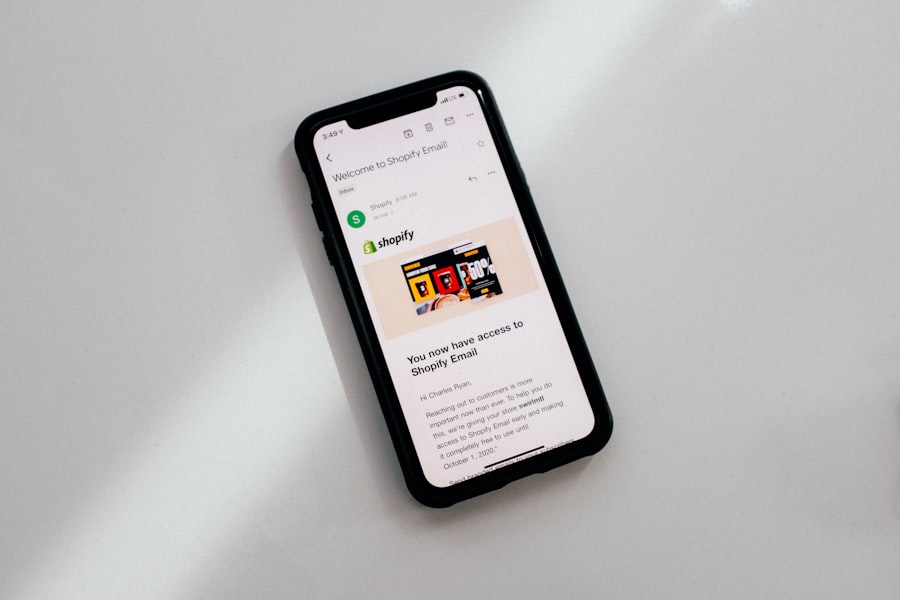
A notable characteristic of phishing attempts and scams is the absence of verifiable contact information within the communication. Legitimate organizations typically provide clear contact details, including phone numbers, email addresses, and physical addresses where customers can reach them for support or inquiries. In contrast, scam messages often lack this essential information or provide vague references that cannot be traced back to a credible source.
For instance, an email may come from an address like “info12345@gmail.com” without any additional context or means of verification. The absence of contact information should raise immediate concerns about the legitimacy of the communication. Scammers often operate anonymously and may use disposable email accounts or untraceable phone numbers to avoid detection.
If you receive a message that lacks clear contact details or provides only generic information, it is wise to treat it with suspicion. Before engaging further or providing any personal information, consider conducting independent research to verify the sender’s identity and legitimacy.
Unsecured Websites
When navigating online communications or transactions, the security of websites plays a crucial role in protecting personal information. Unsecured websites are easily identifiable by their lack of HTTPS in the URL; instead, they may begin with HTTP, indicating that data transmitted between your browser and the site is not encrypted. Engaging with unsecured websites poses significant risks, as cybercriminals can intercept sensitive information such as credit card numbers or login credentials during transmission.
Before entering any personal information on a website, it is essential to check for security indicators such as HTTPS and a padlock icon in the address bar. Legitimate businesses prioritize customer security and invest in SSL certificates to encrypt data during transactions. If you encounter a website that lacks these security features while attempting to access an offer or service mentioned in an unsolicited email or message, it is advisable to exit immediately and refrain from providing any personal details.
No Verification or Credentials
A lack of verification or credentials is another critical indicator of potential scams and fraudulent communications. Legitimate organizations often provide clear evidence of their identity through official branding, certifications, or links to verified social media profiles. In contrast, scammers may present themselves without any means of verification or may use fake credentials that cannot be substantiated through independent research.
For example, an email claiming to be from a government agency might include official-looking logos but fail to provide any verifiable contact information or links to official websites where recipients can confirm the legitimacy of the communication. When faced with such situations, it is essential to conduct thorough research before engaging further. This may involve searching for reviews or reports about the organization online or checking with relevant authorities for confirmation of their legitimacy.
By remaining vigilant and skeptical about claims lacking proper verification, individuals can better protect themselves from falling victim to scams and fraudulent activities.
If you are concerned about being scammed online, it is important to familiarize yourself with the privacy policy, terms and conditions, and contact information of the website or app in question. By understanding these key documents, you can better protect yourself from potential scams. For more information on privacy policies and how they can impact your online safety, check out this article on appssoftwares.com.
FAQs
What are common signs that I have been scammed online?
Some common signs that you may have been scammed online include receiving unexpected requests for personal or financial information, being asked to pay upfront fees for promised goods or services, and encountering suspicious or unsecured websites.
What should I do if I suspect I have been scammed online?
If you suspect you have been scammed online, it is important to report the incident to the appropriate authorities, such as your local law enforcement agency or the Federal Trade Commission (FTC). You should also consider contacting your bank or credit card company to report any unauthorized charges and to discuss potential fraud protection measures.
How can I protect myself from online scams?
To protect yourself from online scams, it is important to be cautious when sharing personal or financial information online, to verify the legitimacy of websites and businesses before making any payments, and to use secure and reputable payment methods when making online transactions. Additionally, it is advisable to regularly monitor your financial accounts for any unauthorized activity and to keep your computer and other devices updated with the latest security software.
